.png)
The Vanishing Standard: Why Your Foreign Documents May No Longer Be Enough

The Department of State’s Silent Shift in Document Requirements
For foreigners navigating the U.S. immigration system, few things are as frustrating as providing an official document only to have it rejected months later. Currently, a high-stakes trend is emerging within the Department of State (DOS) that every applicant must understand: the rules for foreign civil documents are changing without warning.
The Reciprocity Schedule Trap The DOS maintains a "Reciprocity Schedule," a complex guide that consular officers use to determine which birth certificates, marriage licenses, and police records are "acceptable" from each country. Historically, if a foreigner provided a standard, government-issued document, it was accepted.
However, practitioners are now seeing an unannounced tightening of these requirements. Documents that were perfectly valid just a year ago are suddenly being met with Requests for Evidence (RFEs) or outright rejections.
Real-World Examples of the Documentation Shift Recent field observations show how specific these hurdles have become:
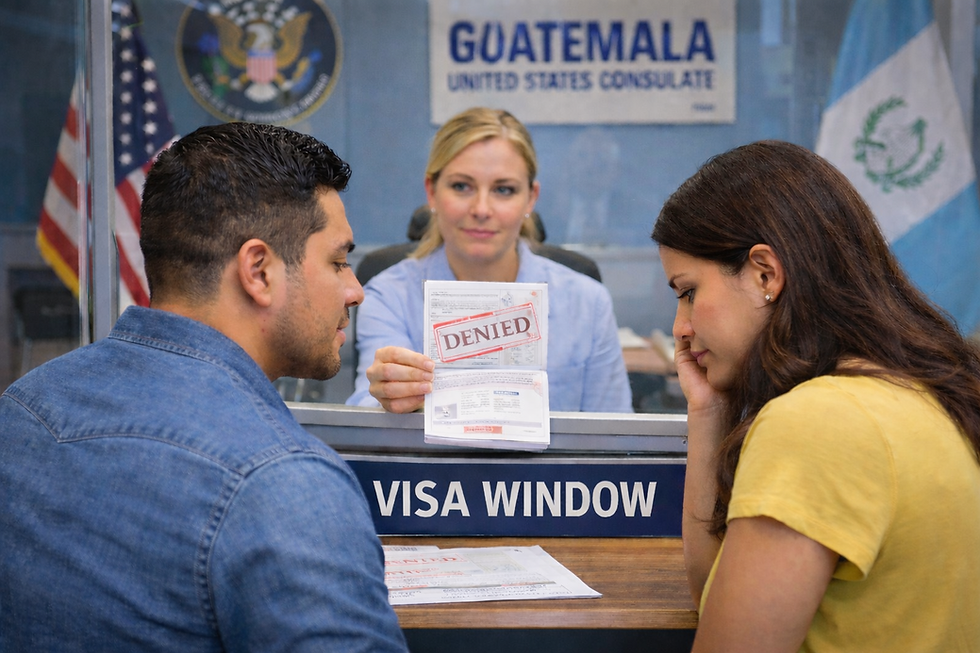
Birth Certificates: In certain Central American countries, standard official records are being flagged. Consular officers are citing new "fine print" in the Reciprocity Schedule to demand more detailed, specific versions of records that were previously sufficient.
Divorce Decrees: In regions like South Asia, updates regarding the acceptability of religious divorce certificates have led to confusion. Foreigners are being forced to secure additional, more recent legal certifications that they did not originally anticipate needing.
Why This Matters for Your Case This trend makes consular processing increasingly unpredictable. It highlights three critical risks:
Past Approval is No Guarantee: Just because a document was accepted for a family member’s application in the past does not mean it will work today.
Costly Delays: A document rejection at the interview stage can force a foreigner to travel back to an ancestral home to hunt down a "new" version of an old record.
Risk of Denial: If the specific version of a document required by the updated schedule cannot be obtained, the entire case faces a potential denial.
Protect Your Future Relying on "what worked before" is no longer a safe strategy. The evolving requirements of the DOS Reciprocity Schedule mean that every foreign document must be scrutinized against the current legal standard before an application is filed. Our firm specializes in navigating these sudden policy shifts to ensure that foreigners are not blindsided at the finish line. Reach The Murray Law Firm at +1(201)875-2600.


Comments